
Understanding Minimum SR-22 AUTO Insurance Coverage Requirements
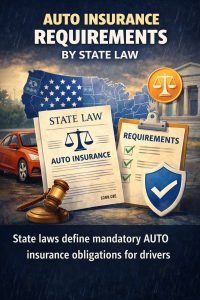
Minimum SR-22 AUTO insurance coverage requirements establish the lowest level of financial protection a driver must carry to legally operate a vehicle. While these requirements vary by state, their purpose remains consistent: to ensure basic compensation for damages caused by motor vehicle accidents.
Typically, minimum SR-22 AUTO insurance coverage requirements include bodily injury liability per person, bodily injury liability per accident, and property damage liability. These limits are often expressed in a three-number format, such as 25/50/25, representing thousands of dollars in coverage.
Although minimum coverage satisfies legal obligations, it may not provide sufficient protection in serious accidents. Academic studies in risk management consistently show that medical and repair costs often exceed state minimums, leaving underinsured drivers financially vulnerable.
States periodically review and adjust minimum SR-22 AUTO insurance coverage requirements to reflect inflation, healthcare costs, and claim trends. However, these adjustments often lag behind real-world expenses, reinforcing the importance of supplemental coverage options.
From a consumer education perspective, understanding minimum coverage is a starting point—not an endpoint. Insurance advisors recommend evaluating personal assets, driving habits, and risk tolerance when selecting coverage levels.
In conclusion, minimum SR-22 AUTO insurance coverage requirements serve as a legal baseline, but informed drivers should consider broader protection strategies to mitigate long-term financial risk.